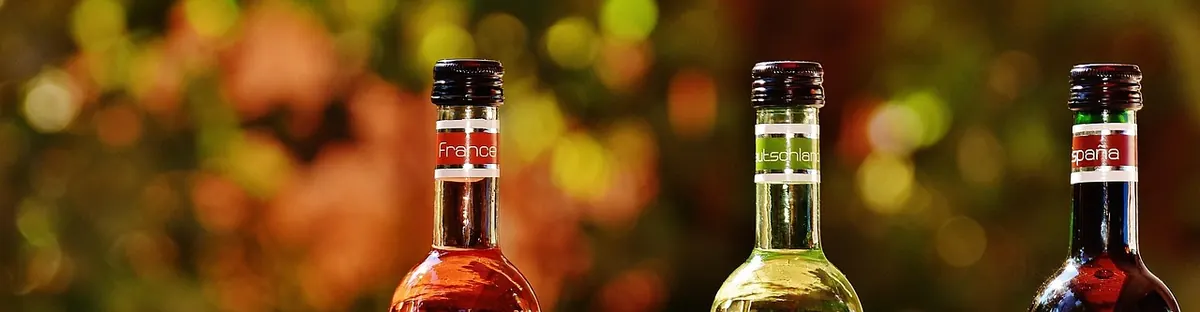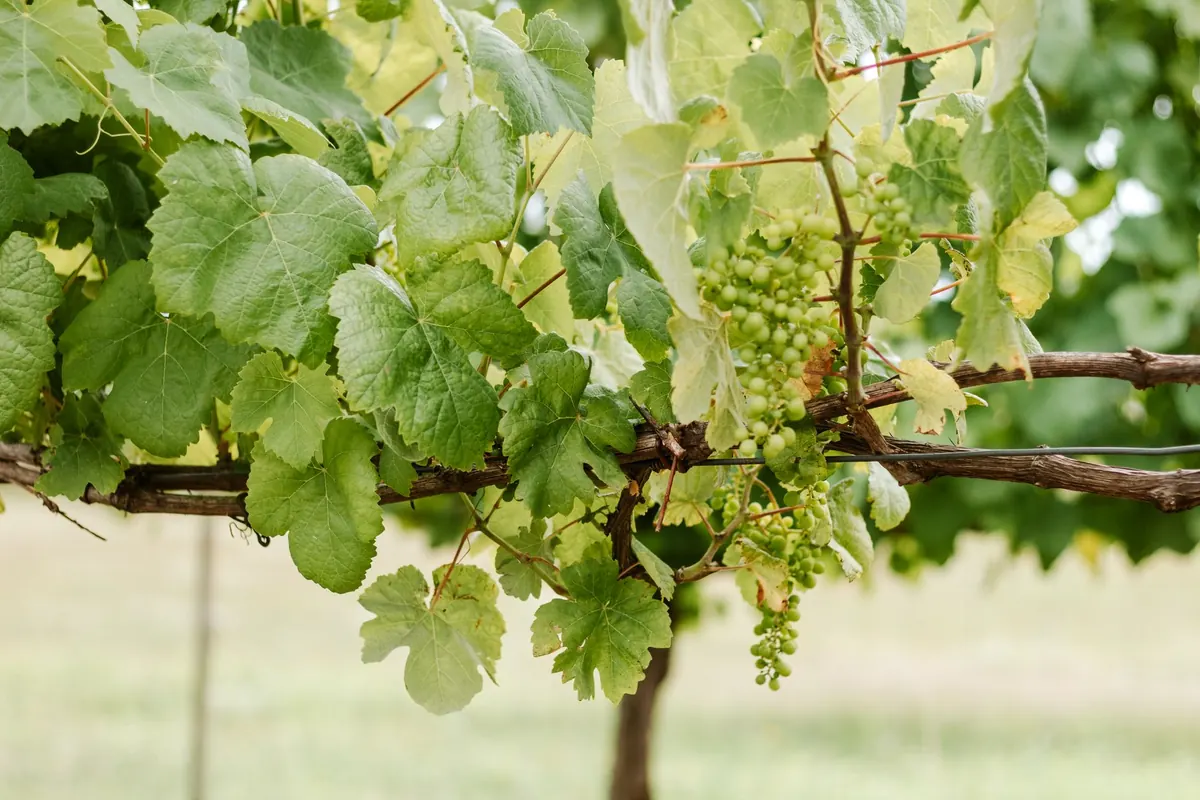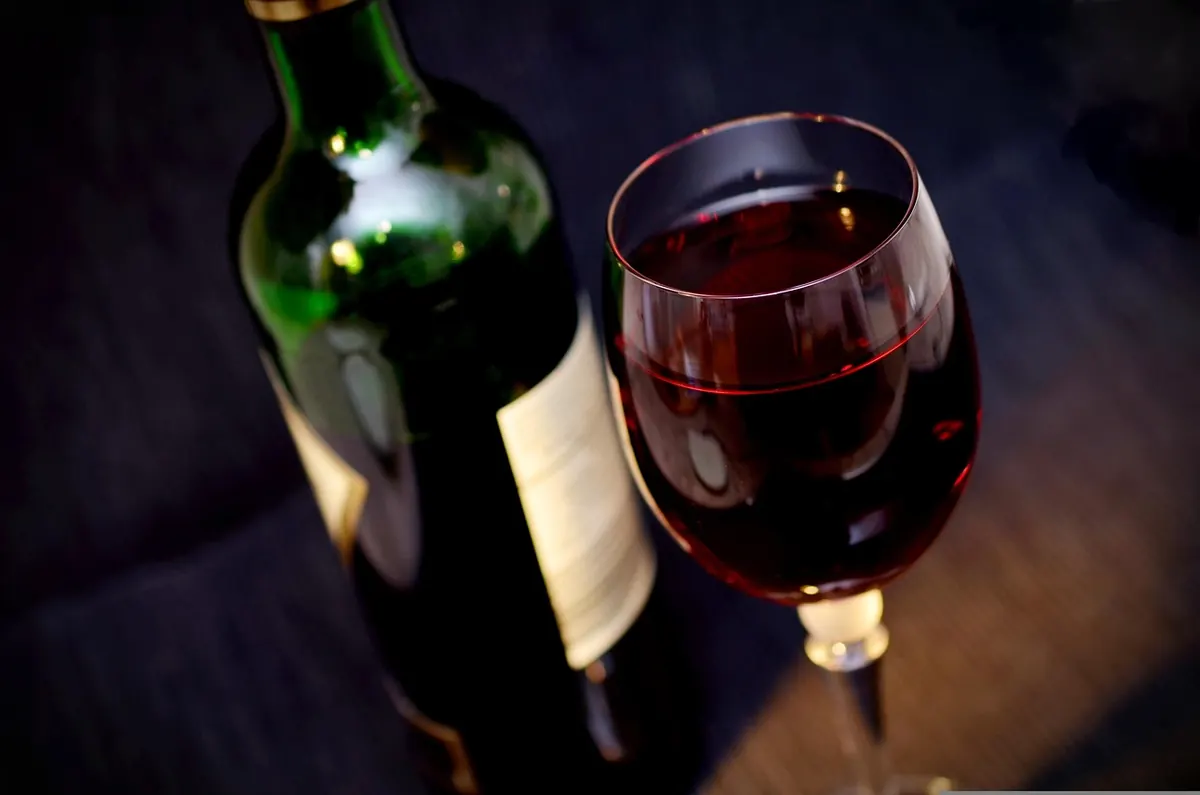
Few corners of the wine map reward patience as reliably as the Rhône and Rioja. Both produce reds with savoury depth, firm structure and a genuine appetite for bottle age; both have white wines that surprise anyone who knows them only for reds. The difference lies in what each region asks of a collector. Rioja often hands you a wine already softened by barrel and bottle, while the Rhône usually expects you to do the waiting yourself. Work out which of those arrangements suits your cellar and your habits, and the choice becomes far simpler.
Climate: Atlantic Cool Against Mediterranean Sun
Rioja sits in the Ebro valley in northern Spain, sheltered from the wettest Atlantic weather by the Sierra de Cantabria but still shaped by it. Vineyards lie at altitude, where warm days and cool nights slow ripening and keep acidity intact. The result is a red-fruit profile with a fresher edge than many drinkers expect, and vintages that vary meaningfully from year to year. The warmer eastern end of the region gives riper, rounder wines than the cooler, higher western areas.
The Rhône splits into two quite different climates. The Northern Rhône clings to steep granite terraces above the river, with a continental climate, cool nights and a short growing season. Syrah grown here tastes peppery, dark and herbal, and vintage variation is pronounced. The Southern Rhône is thoroughly Mediterranean: hot, sun-baked, swept by the mistral wind, with the famous rounded stones of Châteauneuf-du-Pape soaking up heat during the day and releasing it at night. Wines are broader, warmer and richer.
Grapes and Blending Culture
Rioja is built around Tempranillo, supported by Garnacha for warmth and generosity, Graciano for perfume and acidity, and Mazuelo for backbone. Blending is the norm, though single-variety bottlings are now common. Whites lean on Viura, Malvasía and Garnacha Blanca, and are worth exploring seriously.
The Rhône uses fewer grapes in the north and more in the south. Northern appellations such as Côte-Rôtie, Hermitage, Cornas and Saint-Joseph rely on Syrah, occasionally with a small addition of white Viognier, while Condrieu is Viognier alone and Hermitage and Saint-Joseph also produce whites from Marsanne and Roussanne. In the south, Grenache and Syrah lead, with Mourvèdre, Cinsault, Clairette and others joining the blend. Châteauneuf-du-Pape permits a long list of varieties, and producers use that freedom in wildly different ways.
Ageing Styles: Oak Rules and a Lighter Touch
Rioja's barrel classifications
Rioja's ageing categories tell you a great deal before you open the bottle. Crianza spends at least two years in total before release, with a minimum of a year in oak. Reserva steps up to three years, with time in barrel followed by time in bottle. Gran Reserva goes further still, with a minimum of two years in oak and several more in bottle. Producers can exceed these minimums, and the best do.
Traditional Rioja was aged in American oak, which brings vanilla, coconut and dill notes that many drinkers either love or find dated. Modern producers increasingly use French oak, shorter ageing and single-vineyard fruit, and the newer village and vineyard designations have given the region a way to talk about place rather than just time in barrel. The practical upshot: Rioja is a region where you can choose between wines built for immediate pleasure and wines that taste of decades.
The Rhône's quieter approach
Rhône producers tend to use large old oak — foudres, demi-muids — concrete or stainless steel, and less new oak overall. The aim is usually to preserve fruit and place rather than stamp a barrel signature on the wine. Crucially, most Rhône reds are released young and youthful, especially at cru level. Top Côte-Rôtie, Hermitage, Cornas and Châteauneuf-du-Pape need eight to fifteen years or more to show their best, so the cellaring is largely your job.
Price Tiers: Where the Value Sits
Broadly speaking, the two regions offer different value at different levels. Prices move constantly, so treat this as a map rather than a quotation.
- Everyday drinking: Côtes du Rhône and Côtes du Rhône Villages, and young Rioja or Crianza. Both deliver generously, and Rioja often gives more polish for the money.
- Mid-tier: named villages and lesser crus such as Vacqueyras, Gigondas, Crozes-Hermitage and Saint-Joseph; Rioja Reserva and single-vineyard bottlings. This is where both regions offer the strongest case for collecting.
- Top tier: Châteauneuf-du-Pape, Côte-Rôtie, Hermitage and Cornas; Gran Reserva and Rioja's most serious modern releases. Prices here can be formidable, and quality is not guaranteed by label alone.
In general, Rioja offers a lower entry point for genuinely ageworthy wine, because some of the ageing is done for you. The Rhône asks you to buy young and be patient — rewarding, but it ties up both money and space.
On the Table
Rioja's red-fruit and oak profile suits roast lamb, chorizo, jamón, roasted peppers, paprika-spiced dishes and aged Manchego. Its whites work well with seafood, garlic and rice dishes. Rhône reds want slow-cooked beef, cassoulet, game, grilled lamb with herbs and charcuterie; Southern Rhône whites handle rich fish and creamy sauces, and Tavel rosé is one of the few rosés that improves with a few years in the cellar.
Building Your Cellar: A Practical Plan
- Decide your drinking horizon first. If you rarely wait more than three years, lean towards Rioja Reserva and Southern Rhône villages rather than top crus.
- Buy in threes. One bottle to taste young, one for the middle years, one for the long haul. It teaches you more than a single bottle ever will.
- Anchor with a vertical. Three or four vintages of the same wine, from the same producer, shows you how age changes a wine you already understand.
- Store properly. A steady cool temperature, reasonable humidity, darkness and no vibration matter more than a perfect number on a thermometer. Bonded storage makes sense if you are buying in quantity; remember duty and VAT become payable when you take delivery.
- Keep notes. A simple record of what you paid, when you drank it and whether it was ready will sharpen your buying faster than any tasting course.
If you are buying wine as an investment rather than for pleasure, be cautious: values can fall as well as rise, and it is not a guaranteed store of money. Take professional advice before committing serious sums. Otherwise, start with a mixed case of Rioja Reserva and a Southern Rhône village wine, and let your own palate decide which region earns the bigger share of the rack.
Photo: congerdesign / Pixabay